Best nootropic ingredients for memory and focus: the VapoCept guide
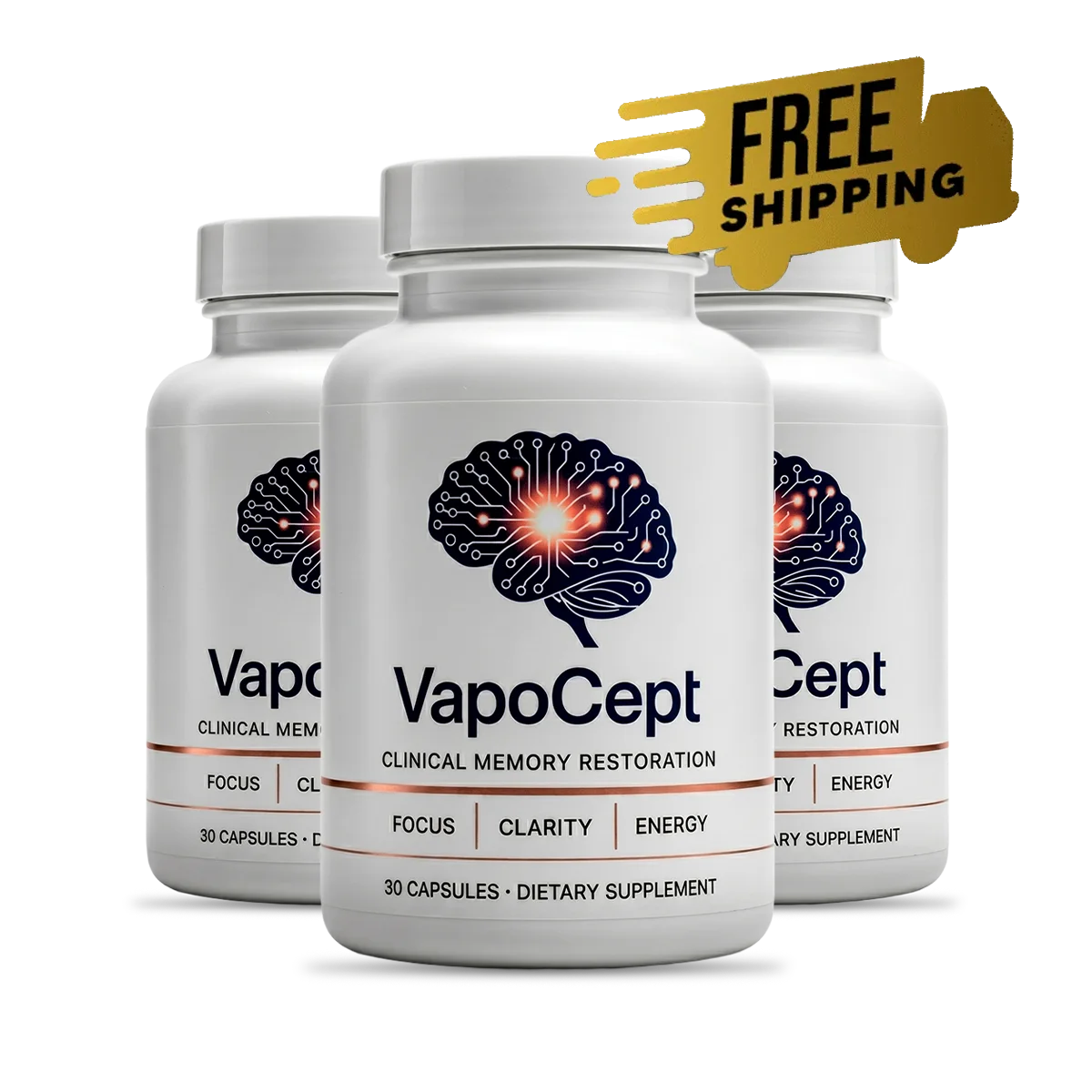
Revised September 30, 2026 · checked against the published panel and the sources below. The desk is not a medical provider, and this article is educational rather than medical advice.
The best nootropic ingredients for memory and focus are not exotic — they are mostly well-studied nutrients your brain already uses every day: amino acids that support blood flow, vitamins that power cellular energy, and a handful of botanicals with long research histories. This guide walks through the most discussed ones in plain language, shows how to read a nootropic label, and explains where a focused formula like VapoCept fits in.
The short version, in one place.
- What counts
- A good nootropic ingredient has a plausible mechanism, a reasonable safety record, and human research behind it — not just hype.
- Top categories
- Nitric-oxide amino acids, B-vitamins, antioxidant amino acids, and adaptogenic botanicals.
- Blood-flow group
- L-arginine and L-citrulline raise nitric oxide, which helps vessels relax so the brain gets oxygen and nutrients.
- Energy group
- Niacin (vitamin B3) supports normal energy-yielding metabolism and nervous-system function.
- Reality check
- Ingredients support a routine; sleep, movement and diet still do most of the work, and results vary.
“Nootropic” simply means a substance used to support cognition. The category is broad, so the useful question is not “which single ingredient is best?” but “which sensible ingredients, taken consistently, support the way my brain already works?” Below we group the best-known options by what they actually do, then show how VapoCept combines several of them into one daily capsule. Ingredients are only one lever, though, and usually the smaller one — the sleep, movement and attention habits covered in our guide to improving focus and concentration naturally still do most of the work. For the full formula, see the ingredients section on the homepage.

What makes an ingredient a good nootropic?
Three things separate a credible nootropic ingredient from a marketing buzzword. First, a plausible mechanism — a reason, grounded in physiology, that it might help. Second, a safety record in healthy adults at sensible amounts. Third, human research, ideally more than a single small study. Not every popular ingredient clears all three bars, and even the best support a routine rather than replacing sleep, exercise or a balanced diet.
It also helps to think in categories. Cognition depends on getting enough blood and oxygen to the brain, on cells making energy efficiently, and on keeping oxidative stress in check. Most respected nootropic ingredients slot into one of those buckets, which is exactly how we have organised the list.
The blood-flow group: nitric-oxide amino acids
Your brain is roughly two per cent of your body weight but uses around twenty per cent of your oxygen. That makes circulation central to how it feels to think clearly, and nitric oxide is one of the genuine regulators of cerebral blood flow, as Toda, Ayajiki and Okamura, Pharmacological Reviews (2009) set out in their review. Two amino acids sit at the heart of this story.
L-arginine
L-arginine is the body’s direct substrate for nitric oxide, a signalling molecule that tells the smooth muscle around blood vessels to relax. When vessels relax, they widen, and blood flows more easily. It is one of the most studied amino acids in circulation and exercise science, which is why it appears in so many performance and cognition formulas. That the endothelium lining our blood vessels builds nitric oxide out of L-arginine was demonstrated by Palmer, Ashton and Moncada, Nature (1988).
L-citrulline
L-citrulline is arginine’s clever partner. Taken on its own, arginine is largely broken down before it can do much; citrulline slips past that first-pass metabolism and is converted into arginine in the kidneys, producing a smoother, longer-lasting rise in nitric-oxide precursors — an advantage measured directly in a crossover study by Schwedhelm and colleagues, British Journal of Clinical Pharmacology (2008). That is why many modern formulas — VapoCept included — pair the two, and often add citrulline malate, which links citrulline to malic acid, a compound tied to cellular energy.
See how VapoCept combines these actives →
The energy group: B-vitamins
If blood flow is the delivery system, cellular energy is the payload. B-vitamins are cofactors in the chemical reactions that turn food into usable energy, and one in particular shows up again and again in cognition formulas.
Niacin (vitamin B3)
Niacin contributes to normal energy-yielding metabolism, the normal functioning of the nervous system, and the reduction of tiredness and fatigue — roles documented in the NIH Office of Dietary Supplements niacin fact sheet. Those functions run through NAD, the coenzyme whose place in metabolism and the ageing nervous system is reviewed by Verdin, Science (2015). It is the single quantified vitamin in the VapoCept formula, chosen precisely because steady mental energy underpins the feeling of focus.
The antioxidant group: buffering amino acids
Hard-working cells generate oxidative stress, and the body uses various buffers to keep it in balance.
Beta-alanine
Beta-alanine is the rate-limiting building block of carnosine, an intracellular buffer concentrated in muscle and brain tissue. That beta-alanine is the rate-limiting step in carnosine synthesis was shown in humans by Harris and colleagues, Amino Acids (2006). By supporting carnosine levels, beta-alanine plays a supporting antioxidant role — a sensible complement in a formula built around resilience and everyday performance.
Botanicals worth knowing
Beyond amino acids and vitamins, several botanicals have long research histories in the cognition conversation. You will not find every one in every product, but they are worth recognising on a label.
- Bacopa monnieri — an Ayurvedic herb traditionally used to support memory.
- Ginkgo biloba — studied for circulation and age-related cognitive wellness.
- Panax ginseng — a storied adaptogen linked to mental energy and resilience.
- Lion’s mane mushroom — popular in modern stacks for nerve-health interest.
- L-theanine — an amino acid from tea often paired with caffeine for calm focus.
How do the main ingredients compare?
The table below groups the most-discussed nootropic ingredients by the role they play and the kind of support each is associated with. It is a map, not a ranking — the “best” ingredient depends on what you are trying to support.
| Ingredient | Group | General role |
|---|---|---|
| L-arginine | Blood flow | Direct nitric-oxide precursor; helps vessels relax. |
| L-citrulline | Blood flow | Converts to arginine for a smoother, longer NO rise. |
| Niacin (B3) | Energy | Supports normal energy metabolism and nervous-system function. |
| Beta-alanine | Antioxidant | Carnosine building block; buffers oxidative stress. |
| Bacopa monnieri | Botanical | Traditionally used to support memory. |
| Panax ginseng | Botanical | Adaptogen linked to mental energy and resilience. |
How to read a nootropic label
Once you know the ingredients, the label tells you whether a product is serious. A few habits protect you from paying for hype:
- Look for named actives, not vague “proprietary focus matrix” language with no detail.
- Check the form — citrulline malate versus plain citrulline, for example, tells you something about the formulator’s intent.
- Prefer a short, sensible list over a sprawling one where everything is under-dosed.
- Confirm the basics: made in an FDA-registered, GMP facility, non-GMO, and honest about what it is.
- Watch the stimulants — some “focus” products lean on large caffeine doses; VapoCept uses no artificial stimulants.
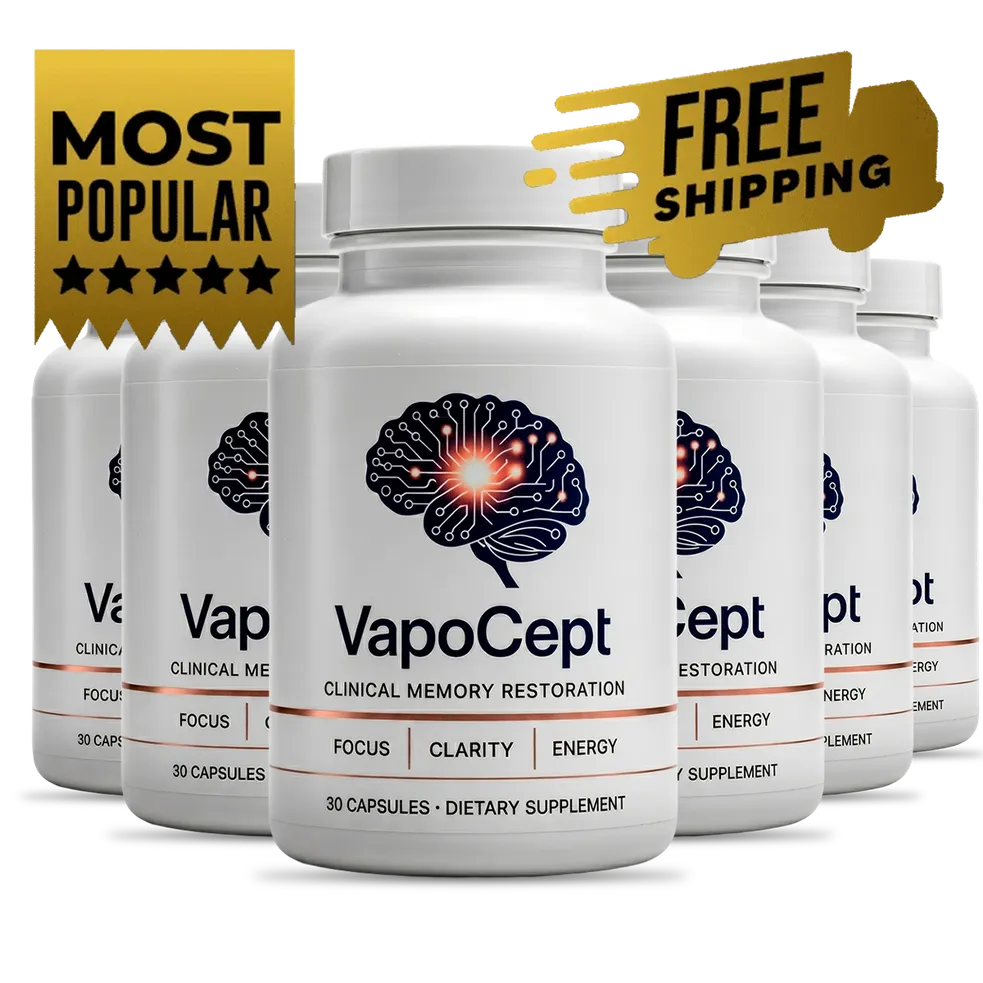
A focused blend in one capsule
VapoCept brings the blood-flow and energy groups together: L-arginine, L-citrulline, niacin and beta-alanine in one daily capsule. The six-bottle bundle is the best value at $49 per bottle, with free U.S. shipping and a 60-day guarantee.
Order VapoCept — from $49/bottleHow VapoCept puts it together
Rather than chase a long, under-dosed ingredient list, VapoCept focuses on the blood-flow and energy groups: L-arginine and L-arginine AKG, L-citrulline HCl and L-citrulline malate, niacin (vitamin B3) and beta-alanine, delivered as one daily capsule with no artificial stimulants. It is a nitric-oxide-forward approach to everyday memory, focus and clarity. To see each active with an independent reference, read the ingredients section, or learn how citrulline and nitric oxide support the brain.
| VapoCept active | Group | Why it’s included |
|---|---|---|
| L-arginine + L-arginine AKG | Blood flow | Direct nitric-oxide precursors in two delivery forms. |
| L-citrulline HCl + malate | Blood flow / energy | Sustains NO precursors; malate links to cellular energy. |
| Niacin (B3) | Energy | Normal energy metabolism and nervous-system function. |
| Beta-alanine | Antioxidant | Carnosine building block for everyday resilience. |
When should you talk to a doctor?
Nootropic ingredients are for supporting healthy cognition, not treating any condition. Speak with your doctor before starting one if you are pregnant or nursing, under 18, take any medication (blood-pressure medicines interact with nitric-oxide support in particular), have a diagnosed condition, or notice persistent changes in memory or mood. A quick conversation makes sure anything you add fits safely with your care.
Frequently asked questions
What are nootropics?
Nootropics are foods, nutrients and compounds people use to support cognition — memory, focus, mental energy and clarity. The category ranges from everyday nutrients like B-vitamins and amino acids to botanicals and caffeine. In supplements they support healthy cognition and are not treatments for any disease.
Which nootropic ingredients are best for memory and focus?
Well-discussed options include nitric-oxide amino acids such as L-arginine and L-citrulline for blood flow, niacin (vitamin B3) for energy metabolism, beta-alanine for antioxidant support, plus botanicals like bacopa, ginkgo and panax ginseng. The best choice pairs sensible ingredients with a consistent daily habit.
Do nitric-oxide amino acids help the brain?
L-arginine and L-citrulline are the body’s building blocks for nitric oxide, which helps blood vessels relax and widen. Healthy circulation is how the brain receives oxygen and nutrients, which is why these amino acids are common in cognition- and performance-focused formulas.
How long do nootropics take to work?
Some effects, like the alertness from caffeine, are felt the same day, while nutrient-based support builds gradually over several weeks to a few months of consistent daily use. Individual results vary, and a nootropic works best alongside sleep, exercise and a balanced diet.
Are nootropic supplements safe?
Reputable nootropic supplements made in FDA-registered, GMP facilities from well-studied ingredients are generally well tolerated by healthy adults. As with any supplement, people who are pregnant or nursing, under 18, or taking medication should speak with a doctor first.
What is in VapoCept?
VapoCept is a once-daily nootropic capsule combining L-arginine, L-arginine AKG, L-citrulline HCl, L-citrulline malate, niacin (vitamin B3) and beta-alanine — a nitric-oxide-focused blend for memory, focus and mental clarity, with no artificial stimulants.
Try VapoCept risk-free for 60 days →
VapoCept is a dietary supplement, not a treatment for any medical condition. These statements have not been evaluated by the Food and Drug Administration. This product is not intended to diagnose, treat, cure or prevent any disease. Always consult a qualified healthcare professional about your individual needs.
References & further reading
- Palmer RMJ, Ashton DS, Moncada S. Vascular endothelial cells synthesize nitric oxide from L-arginine. Nature, 1988. PMID 3131684
- Schwedhelm E, Maas R, Freese R, et al. Pharmacokinetic and pharmacodynamic properties of oral L-citrulline and L-arginine: impact on nitric oxide metabolism. British Journal of Clinical Pharmacology, 2008. PMID 17662090
- Harris RC, Tallon MJ, Dunnett M, et al. The absorption of orally supplied beta-alanine and its effect on muscle carnosine synthesis in human vastus lateralis. Amino Acids, 2006. PMID 16554972
- Toda N, Ayajiki K, Okamura T. Cerebral blood flow regulation by nitric oxide: recent advances. Pharmacological Reviews, 2009. PMID 19293146
- Verdin E. NAD⁺ in aging, metabolism, and neurodegeneration. Science, 2015. PMID 26785480
- National Institutes of Health, Office of Dietary Supplements. Niacin — Fact Sheet for Health Professionals. ods.od.nih.gov/factsheets/Niacin-HealthProfessional
- National Center for Complementary and Integrative Health (NCCIH). Dietary and Herbal Supplements. nccih.nih.gov/health/dietary-and-herbal-supplements
These references describe the ingredients in general terms and do not constitute evidence that any product treats, cures or prevents any condition.
Keep reading: how to improve focus and concentration naturally · L-citrulline and nitric oxide for brain health · back to the VapoCept blog · homepage.